A Guide to Collecting Vintage Botanical Posters
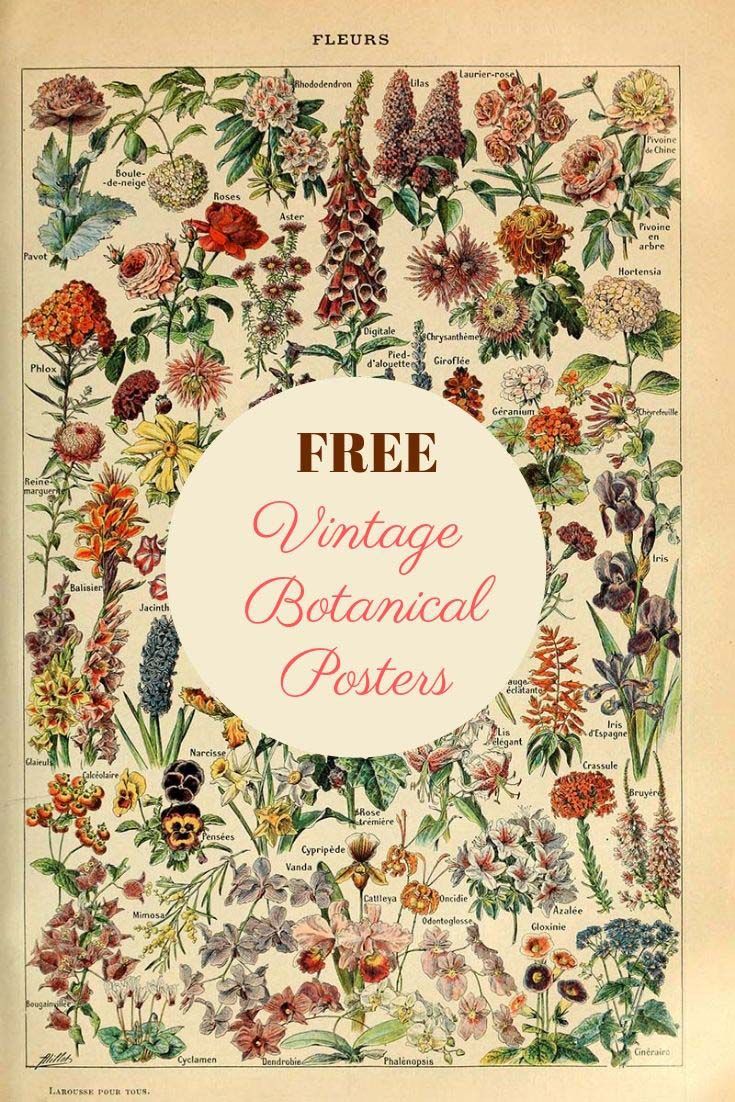
Vintage botanical posters serve as a beautiful bridge between scientific documentation and artistic expression. These illustrations capture the intricate beauty of flora with unmatched precision and grace.
Read more
The Artistic Appeal of Scientific Illustration
Vintage botanical posters are more than just wall decor. They are historical artifacts that document the natural world through a blend of rigorous observation and artistic flair. Before the advent of modern photography, naturalists and illustrators collaborated to create detailed maps of plant life. These works served as essential references for researchers while simultaneously capturing the public imagination with their vibrant colors and delicate structural details.
The charm of these prints lies in their authenticity. Unlike generic decorative floral art, vintage posters often include specific annotations, scientific names, and varying stages of a plant life cycle. This combination of education and aesthetics makes them uniquely suited for home interiors. They bring a sense of natural history and timeless elegance to any room, reflecting an era where the study of botany was as much about beauty as it was about classification and discovery.
Identifying Authentic Vintage Botanical Prints
When looking for original or high-quality reproduction posters, understanding the visual language of the era is crucial. Genuine vintage prints often showcase subtle paper aging, such as cream or sepia tones, and a specific texture that modern glossy paper lacks. The typography used in the labels is typically classic and serif-based, often printed in a modest font that emphasizes the plant itself rather than the text.
Consider the layout composition when evaluating a print. Traditional botanical plates usually organize flowers in a way that maximizes visual balance while keeping individual species clearly distinguished. Look for the artist signatures or the publisher information, which often appear in the corners of the document. These marks are the fingerprints of history and help confirm the provenance and artistic pedigree of the piece you are considering for your collection.
- Check for paper texture and aging signs.
- Look for scientific names and descriptive labels.
- Verify printer marks or historical publication dates.
- Examine the balance between art and information.
Curating Your Botanical Gallery
Curating a collection of botanical posters is an exercise in personal taste and thematic storytelling. You might choose to focus on a specific region, such as local wildflowers, or a particular family of plants like lilies or ferns. Alternatively, a color-coordinated collection can create a cohesive look across a living room or office space. By grouping prints that share a similar color palette or artistic style, you can create a gallery wall that feels intentional and well-designed.
Do not be afraid to mix sizes and frames to add depth to your wall arrangements. While uniform frames provide a clean and professional look, varying frame styles can highlight the eclectic nature of a vintage collection. Consider using neutral mats that draw the eye toward the colors within the illustrations. The goal is to allow the intricate details of the plant illustrations to stand out without being overwhelmed by the surrounding environment.
Preservation and Display Techniques
Once you have acquired your prints, proper preservation is essential to ensure they remain vibrant for years. Light exposure is the primary enemy of vintage paper. It is highly recommended to use UV-protective glass when framing, which prevents the colors from fading under direct or ambient light. Additionally, avoid hanging these posters in areas with high humidity, such as bathrooms, as moisture can damage the delicate fibers of older paper.
When installing your posters, choose a spot that is free from direct sunlight throughout the day. Mounting them on acid-free backing boards will protect the paper from yellowing and degradation over time. By taking these simple precautions, you ensure that these beautiful botanical records continue to serve their purpose as both educational tools and decorative highlights in your home, preserving a piece of history that continues to inspire.