A Guide to Preparing Sweet and Spicy Korean Chicken Bowls
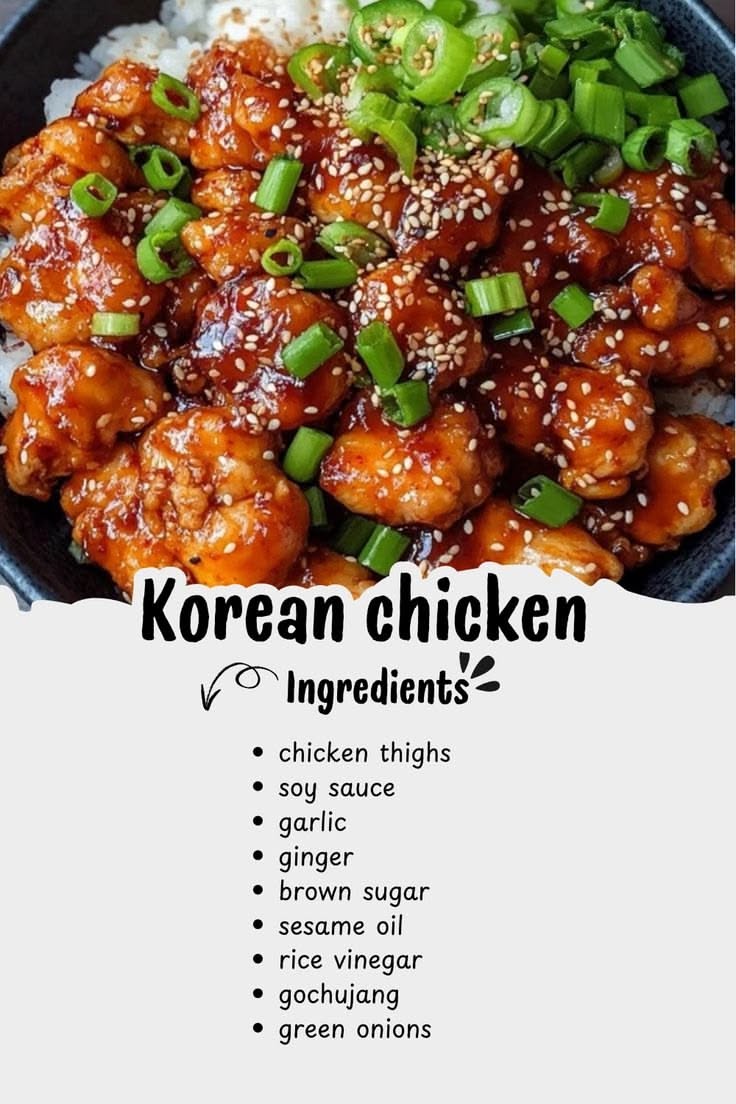
This flavorful Korean chicken bowl features succulent chicken thighs glazed in a sticky, spicy sauce served over steaming rice. It provides a simple way to enjoy a restaurant-quality meal at home.
Read more
The Foundation of Korean Chicken
Korean-style chicken bowls are defined by their unique combination of textures and a deeply flavorful glaze. At the heart of this dish is the use of chicken thighs, which offer a higher fat content than breasts. This fat ensures that the meat remains juicy and tender even after being seared or fried, providing a succulent bite that contrasts perfectly with the sticky sauce. Choosing the right cut of meat is the first step toward achieving that authentic, mouth-watering quality often associated with these popular bowls.
The flavor profile relies heavily on a balance of sweet, savory, and spicy components. Soy sauce provides the essential salty, umami base, while brown sugar adds a deep, molasses-like sweetness that helps the sauce caramelize during cooking. Aromatics like garlic and ginger are indispensable, as they introduce a pungent, fresh heat that cuts through the richness of the chicken and the density of the glaze. Together, these ingredients create a robust foundation that defines the character of the dish.
Mastering the Gochujang Glaze
The defining element of this recipe is the use of gochujang, a traditional Korean fermented chili paste. This ingredient is complex, offering a mixture of heat, sweetness, and a subtle earthiness that cannot be replicated by simpler hot sauces. When combined with rice vinegar, the acidity of the glaze is perfectly balanced, ensuring the sauce is bright rather than just heavy. Sesame oil is added at the end to provide a toasted, nutty aroma that rounds out the entire flavor profile.
Consistency is key when preparing the sauce. As the gochujang and sugars reduce in the pan, they transform into a thick, sticky coating that clings to every piece of chicken. It is important to watch the heat level carefully during this stage, as the high sugar content can cause the sauce to burn quickly. By keeping the heat moderate and stirring constantly, you ensure an even, glossy finish that makes the chicken look and taste professional.
Essential Ingredients for Success
To replicate this dish effectively, gathering fresh, high-quality ingredients is important. The balance of the sauce relies on the interaction between these specific components, so try not to substitute the core elements unless necessary. Freshness in your aromatics will translate directly to the vibrancy of your final result.
Gather the following items to prepare your ingredients for the cooking process:
- Boneless, skinless chicken thighs cut into bite-sized pieces
- Soy sauce for the savory umami foundation
- Fresh garlic and ginger, finely minced or grated
- Brown sugar to facilitate caramelization and sweetness
- Sesame oil for a deep, nutty aroma
- Rice vinegar to provide necessary acidity
- Gochujang paste for the distinct spicy and fermented depth
- Green onions and toasted sesame seeds for the final garnish
Preparation and Cooking Techniques
When preparing the chicken, ensure that the pieces are relatively uniform in size. This consistency allows them to cook through at the same rate, preventing some pieces from becoming overcooked while others remain raw. You can choose to sear the chicken in a hot pan to develop a golden crust or lightly dust it in cornstarch before frying for an even crispier texture. Once the chicken is browned and cooked through, remove it temporarily to prepare the sauce in the same pan.
Adding the sauce ingredients directly into the pan used to cook the chicken allows you to scrape up any flavorful browned bits left behind. Bring the sauce to a gentle simmer until it thickens sufficiently to coat the back of a spoon. Once the desired consistency is reached, toss the chicken back into the pan to coat every surface thoroughly. This final integration is what binds the individual flavors together into a cohesive, delicious meal.
Serving and Garnishing for Impact
Presentation is the final step in elevating a simple meal into a dining experience. Serve the glazed chicken over a generous bed of warm, fluffy steamed rice, which acts as a neutral canvas for the bold flavors of the sauce. Pour any remaining sauce from the pan over the chicken to ensure the rice underneath absorbs some of the savory goodness.
The garnish is not just for appearance; it adds essential freshness and texture. A heavy sprinkling of finely chopped green onions provides a sharp, crisp contrast to the dense, sweet sauce, while toasted sesame seeds offer a subtle, earthy crunch. By layering these elements, you create a dish that is visually appealing and balanced in every bite, making it an excellent choice for a satisfying dinner.